PRESIDENT Emmerson Mnangagwa’s government is considering measures to reduce fuel prices, including cutting taxes, following the extraordinary rise in fuel prices due to the war in the Middle East.
The United States and Israel are at war with Iran, forcing a massive disruption in fuel deliveries across the world after Iran closed down the Strait of Hormuz, which is used by ships for 20 percent of oil deliveries in the world.
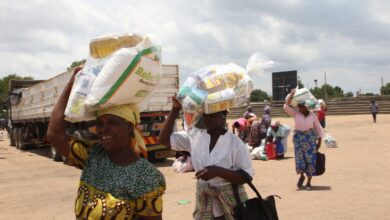
Fuel prices in Zimbabwe recently rose to US$2.17 per litre for petrol and US$2.05 for diesel, following global supply disruptions linked to tensions in the Middle East. The increases have driven up transport fares and food costs, with commuters in Harare now paying as much as US$2 per trip on kombis.
Government officials indicated that authorities are weighing relief measures. Presidential spokesperson George Charamba, writing under his Jamwanda moniker, said public concerns over fuel costs had been received and consultations were ongoing.
“YOUR REQUEST THAT YOUR GOVERNMENT LOOKS AT REDUCING THE FUEL-BASED TAX TO BRING IMMEDIATE RELIEF TO THE HARD-PRESSED CITIZENRY. I hear you loud and clear and will faithfully transmit,” Charamba wrote, adding in a separate post that “good tidings are coming both on the fuel front and salaries for civil servants.”
The fuel price hikes have already had knock-on effects across the economy, with some workers failing to report for duty as transport costs surge. At Sally Mugabe Central Hospital in Harare, nurses downed tools on Friday, demanding salary adjustments to match the rising cost of living.
Health workers said their earnings could no longer cover basic needs, calling for transport allowances, risk allowances and broader wage reviews.
Authorities have defended the price increases as unavoidable, citing global market pressures and supply risks. Commentators warned that disruptions to key oil routes such as the Strait of Hormuz could keep prices elevated.
Charamba said government was aware of the strain on workers and confirmed that a review of civil servants’ wages was imminent.
“A review of wages and salaries was due anyway; it is coming, certainly by this April,” he said.
The developments highlight growing economic strain in Zimbabwe, where rising fuel costs are feeding into broader inflation and intensifying pressure on public sector workers and low-income households.