LENNOX Chando hit more fours than anyone else at the NPL T20 Blast, but the Gladiators Cricket Club wicketkeeper-batter believes his most important achievement was learning when not to attack.
The 301 runs he scored across 10 innings, at a strike rate of 162.70, placed him second on the tournament’s batting charts, just 12 behind teammate Naison Mare.
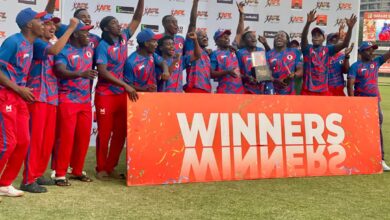
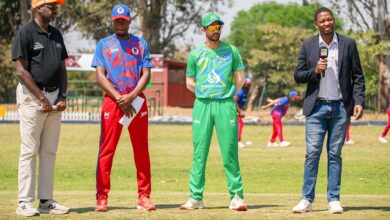
He also finished with 17 dismissals behind the stumps as Gladiators successfully defended their title, beating SOGO Rangers by seven wickets in the final.
Chando’s performances earned him individual recognition, but his approach to the tournament had been shaped by a conversation with his coach, Francis Rashikayi, before the first ball was bowled.
“I had a conversation with my coach Francis before the tournament started, and he just told me to go out there, be fearless, play my natural cricket,” Chando said.
“Not being scared of failing, just going out there, expressing myself and being able to come out on top, I think it was good.”
That freedom was reflected in his boundary count.
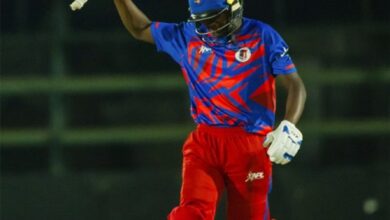
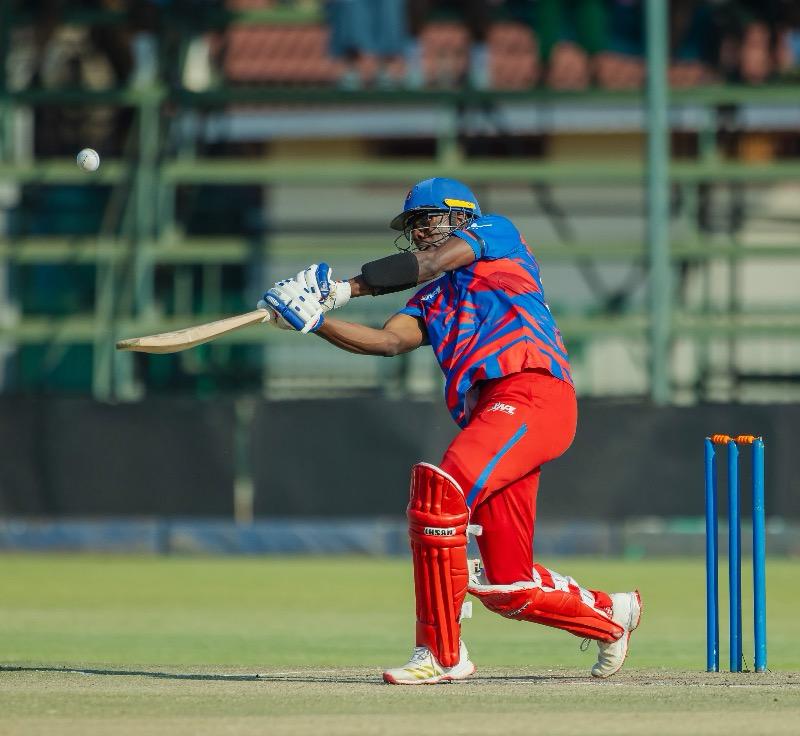
Chando struck 44 fours, the most by any batter in the competition, and made particularly effective use of the fielding restrictions during the powerplay.
Rather than relying on sixes to maintain a high scoring rate, he concentrated on finding gaps and putting bowlers under pressure before they could settle.
“I have realised that I score a lot of fours compared to sixes,” he said.
“The mentality was just about trying to put a good score in the powerplay and trying to put the bowlers under pressure from the onset.”
His attacking approach, however, came with an understanding that not every pitch or match situation allowed the same freedom.
On slower surfaces, he had to spend more time assessing conditions. When Gladiators lost early wickets, his responsibility sometimes shifted from accelerating the innings to ensuring there was someone left to finish it.
“At times I had to adjust because some of the wickets were not as good, so it was about assessing, adjusting and just trying to stay positive even when it’s not going my way,” he explained.
“Sometimes I had to bat deep, sometimes I had to try and take the team home and be less aggressive.”
That balance between aggression and restraint became important during a campaign in which Gladiators had little room for another defeat after losing their opening match to Rimuka.
The seven-run loss to the previous year’s finalists exposed how difficult defending the championship would be.
Chando believes the result changed the way Gladiators approached the remaining fixtures.
“I think we needed to lose that game in order for us to realise how tough the competition was going to be,” he said.
“That gave everyone that hunger and more energy to just try and make the most of the tournament, because now we couldn’t afford to lose another one.”
Gladiators recovered to reach the knockout stages but faced the demanding prospect of winning three matches on consecutive days to retain their crown.
They defeated Old Hararians in the eliminator, overcame Rimuka in the second qualifier and completed the job against SOGO Rangers in the final.
For a wicketkeeper who was also expected to contribute heavily with the bat, the schedule left little time for recovery.
Chando nevertheless believes playing on successive days helped Gladiators maintain their rhythm.
“It was actually a blessing in disguise that we got to play those three games. That means the momentum stayed with us and we went all the way,” he said.
“They had to sacrifice their bodies, and even though we were tired, we still made sure that we gave it our all.”
Behind the stumps, Chando was responsible for 17 dismissals during the competition.
He singled out his wicketkeeping contribution against Old Hararians in the eliminator at Takashinga as particularly satisfying.
Gladiators restricted their opponents to 123 for nine before losing six wickets in pursuit of the target, making it a more uncomfortable victory than the eventual result might suggest.
Although combining wicketkeeping with top-order batting is physically demanding, Chando says years of performing both roles have taught him to separate the responsibilities.
“I have been keeping wicket ever since, and I think it’s just something that I’m used to now,” he said.
“When it’s time to bat, just go out there and bat, and when it’s time to keep wicket, just go out there and keep wicket.”
One of the more productive aspects of his batting campaign was his partnership with Mare, who finished as the tournament’s leading run-scorer with 313.
The pair shared a 140-run stand against Eastern Titans, an innings Chando remembers for the understanding they developed at the crease.
He said Mare’s ability to recognise when to attack and when to rotate the strike made him an effective partner.
“He’s a chilled fella, he understands the game very well,” Chando said.
“He’s attacking, and at times he also knows when he’s not really into it and it’s just okay getting those singles in and trying to rotate the strike.”
Their contributions gave Gladiators two of the tournament’s most productive batters and helped sustain the side’s title defence.
“It was just nice batting with him, sharing ideas with him,” Chando said.
“We understood each other very well, and it’s obviously great that we both had a decent tournament.”
Winning the championship carried particular significance for Chando because he had previously missed an opportunity to celebrate consecutive titles.
Gladiators had won the NPL Super 40 but failed to retain that trophy the following year after losing the final.
The T20 Blast offered another chance to achieve something that had eluded him.
“I have always wanted to win back-to-back titles,” he said.
“We had a chance to do it in the NPL Super 40. When we first won it, we had a chance to do it the next year, then obviously we missed out in the last game.
“So now to finally be able to get that feeling, it’s a really nice feeling. Obviously, we play sport to win championships.”
The final victory over Rangers also brought Gladiators the US$25,000 winners’ prize, while Rangers collected US$20,000.
Chando hopes the team can return next year and extend its run to three successive T20 Blast titles.
“Hopefully we make it back-to-back-to-back next year.”
His personal ambitions, however, extend beyond another domestic club championship.
Despite finishing among the leading performers in both batting and wicketkeeping, Chando is conscious of the difference between excelling in club cricket and establishing himself at higher levels.
“This is still club cricket, and there is still many layers of cricket that I have to go through,” he said.
His immediate focus is on progressing into Zimbabwe’s provincial cricket structure, with the longer-term ambition of representing the national team.
“Obviously, my plan is to represent Zimbabwe one day, playing the provincial cricket, and I believe I’m in the right channel,” he said.
“But I still have a lot of things that I need to figure out in terms of my batting, my keeping, how I go about things.”
For Chando, the tournament provided evidence that his attacking game can produce runs consistently without compromising his work behind the stumps.
It also showed him where improvement is still needed.
He leaves the competition with 301 runs, 44 fours, 17 wicketkeeping dismissals and a second consecutive NPL T20 Blast title. The next challenge is to translate those performances into opportunities beyond Gladiators.
“With the right mindset, with the right preparation, looking after my space and obviously training hard, I believe the sky is the limit.”